Photo by Roselyn Tirado on Unsplash
This is a guest blog post by Laura Pearson. You can find out more about her on the Guest Bloggers page.
For busy parents juggling work and school schedules, and for caregivers supporting kids and grandparents under one roof, home upkeep can feel like a never-ending to-do list. The challenge is that chores often split the household into “helpers” and “hindrances,” leaving little room for shared wins. Family-friendly home improvement reframes routine tasks as skill-building activities that welcome different ages and abilities. With the right mindset, even beginner DIY projects can become intergenerational projects that create real home bonding experiences.
Understanding Inclusive Home Projects
Inclusive home projects work best when participation is designed in, not tacked on later. The idea is to match tasks to ages and abilities, invite multiple generations to contribute, and treat DIY as practice for real-life skills. Even simple jobs can build confidence when they feel doable.
This matters because age-appropriate chores turn “helping” into learning, not pressure. When everyone has a role, fewer people feel in the way, and more people feel needed. The result is steadier routines, calmer weekends, and shared pride in the home.
Think of a weekend yard refresh where little kids place decorations for an interactive space, older kids measure mulch, and grandparents handle planning. One project, many entry points. That same role clarity also helps couples turn a shared DIY habit into a small, focused side service.
Try a DIY Side Venture: From Shared Hobby to Simple Brand
If you and your spouse both find you genuinely enjoy home improvement work, you might experiment with turning that energy into a small side business together. Start by choosing a clear service focus you’re excited to do consistently, then agree on who handles which parts so it stays fun and manageable.
To look ready from day one, you can try using a tool for free logo design: pick a style and an icon, add any text you’ll need, and browse multiple options. From there, tweak the fonts and colors until the logo feels like “you,” without needing to hire help. Once you’ve got that simple brand mark in place, you’ll be in a great spot to choose a few all-ages projects you can start together this month.
Pick 6 All-Ages Projects You Can Start This Month
Choose one project that fits your time, budget, and energy, and assign every person a real role. A little “work up front” pays off because work up front can lighten the work for everyone later.
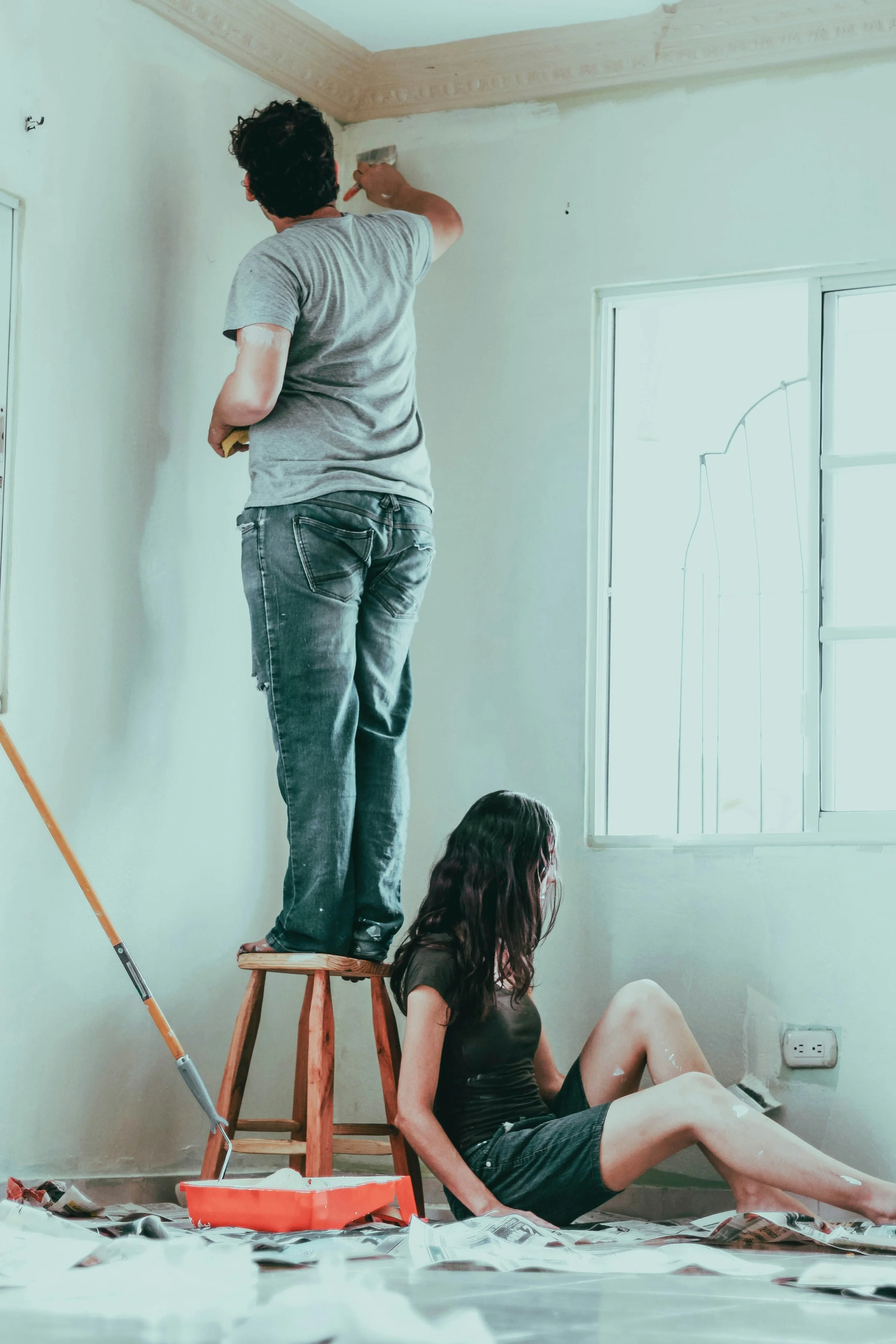
Refresh a bedroom with a two-day paint plan: Start with a 30-minute family “color and function” chat, then set a tight scope: walls only, or walls plus trim. Kids can wash baseboards, teens can tape edges and roll a first coat, and adults can cut in and handle patching. Keep it shareable by labeling who’s responsible for prep, paint, and cleanup, useful practice if you ever package this as a simple weekend service.
Build a simple sandbox with clear boundaries: Pick a flat spot, mark a rectangle with stakes and string, and plan a frame height that doubles as seating. Kids can help measure and spread sand, teens can pre-drill and assemble the frame, and adults can level the ground and manage landscape fabric for drainage and weeds. Add a lid or tarp routine so “closing up” becomes a quick, teachable end-of-session habit.
Plant a “low-drama” flower-and-shrub bed: Choose 3–5 plants that match your light and watering reality, then sketch a simple layout with spacing notes on paper. Kids can sort mulch and water, teens can dig holes to the right width, and adults can place shrubs and ensure proper depth. Take a quick photo of the final arrangement and jot what you bought, great for repeatable results and a mini “portfolio” mindset.
Tackle a garage cleanout with zones and timers: Set three zones with painter’s tape: Keep, Donate/Sell, and Trash/Recycle, then run two 45-minute work sessions with a 10-minute break. Kids can group sports gear and label bins, teens can test cords/batteries and wipe shelves, and adults can handle hazardous items and storage planning. If you’re experimenting with a side-venture mindset, try a simple rate-and-scope sheet for your own home: “2 hours, 6 shelves, 1 corner.”
Create a home theater corner without remodeling: Choose one wall, reduce glare with curtains or a shade, and map seating so walkways stay clear. Kids can make “movie tickets” and snack bins, teens can route cables neatly and set up a charging spot, and adults can mount hardware or secure a stable stand. Add a posted “reset list” (blankets folded, remotes in basket) so the space stays ready without nagging.
Plan a treehouse the safe, staged way, or build a platform first: Start with a “design jam” where kids draw, teens draft measurements, and adults set non-negotiables like height, railings, and load limits. If building a full treehouse feels big, build a ground-level platform or ladder-and-deck step as Phase 1, then expand after a week of use and feedback. The staged approach keeps momentum high and makes it easier to choose age-appropriate tools and tasks.
Family Home Project Questions, Answered
Q: How long should a family work session be before everyone melts down?
A: Aim for 20 to 45 minutes of focused work, then take a real break for water and a reset. Stop while it is still going well, even if you could push longer. Set a “we’ll quit at this time” timer so kids trust the plan.
Q: What’s a good way to keep a simple project from turning into a huge one?
A: Write a one sentence scope and two “not today” items before you start. If a new idea pops up, park it on a list for later instead of pivoting midstream. Even professional efforts struggle with creep, and IT projects generally go 45% over budget when plans sprawl.
Q: How do I choose tools that are actually age-appropriate?
A: Match the tool to the risk: kids can handle wipe-downs, sorting, measuring, and hand tightening, while teens can use hand tools with close supervision. Start with safety glasses for everyone and one new tool per session. Teach “carry low, point down” for anything sharp.
Q: Can young kids help without slowing everything down?
A: Yes, if their job is concrete and finishable in 5 to 10 minutes, like labeling, counting screws, or watering. Give them a small “done bin” so they can see progress. Praise completion, not speed.
Begin a Small Home Project That Strengthens Family Bonds
It’s easy for starting home improvement projects to feel like one more thing to manage, especially when everyone’s busy and safety matters. A steady, community-first mindset, small steps, shared roles, and patient practice, keeps the work doable while encouraging skill development for every age. When families stick with that approach, confidence grows, motivating family participation becomes easier, and the long-term bonding benefits start to show up in everyday life. Small projects build big skills, and even bigger togetherness.